
中文
中文
Quantum control of the interactions between tweezer-trapped neutral atoms has paved the way for wide-ranging applications in quantum simulation, computation, metrology, and ultracold chemistry. Recently, with two valence electrons, alkaline-earth(-like) elements Sr and Yb have attracted growing attention due to their appealing features, such as narrow and ultra-narrow optical transitions and magic-wavelength optical traps for Rydberg states. In our experiment, we focus on single Sr atoms trapped in an optical tweezer array.
For a neutral atom quantum computer, single atoms trapped in a tweezer array are rearranged into defect-free arbitrary patterns. Atomic qubits can be encoded in electronic spin states or nuclear spin states. Single-qubit operations are performed through microwave or optical spectroscopy. Two-qubit gates and entanglement are realized based on long-range Rydberg interactions. Outstanding pros for this platform are large-scale programmable quantum system, long coherence time, and both digital and analog quantum simulations.
In our apparatus, cold Sr atoms are initially created by a 461-nm broad-line magneto-optical trap, and subsequently transferred to a 689-nm narrow-line magneto-optical trap. We tightly focus a 515-nm laser beam and an 813-nm laser beam via a microscope objective to generate optical tweezers. The ability to control at the level of individual particles enables us to explore few-body collisional dynamics, chemical reactions, and the crossover from few- to many-body physics. Our long-term research goals include investigating various quantum spin models, and realizing gate-model quantum computers.
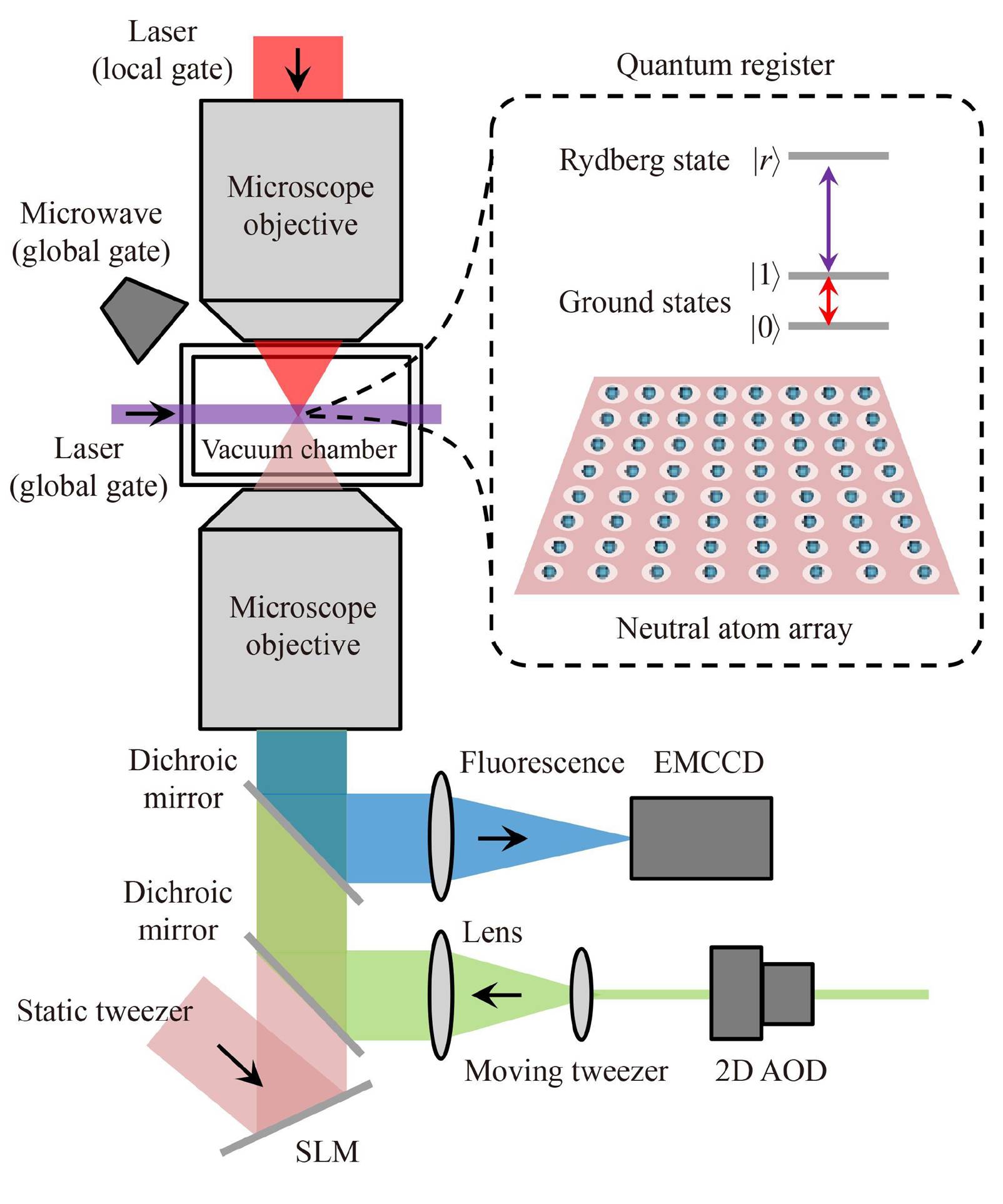
Figure 1. Schematic of a neutral atom quantum computer.
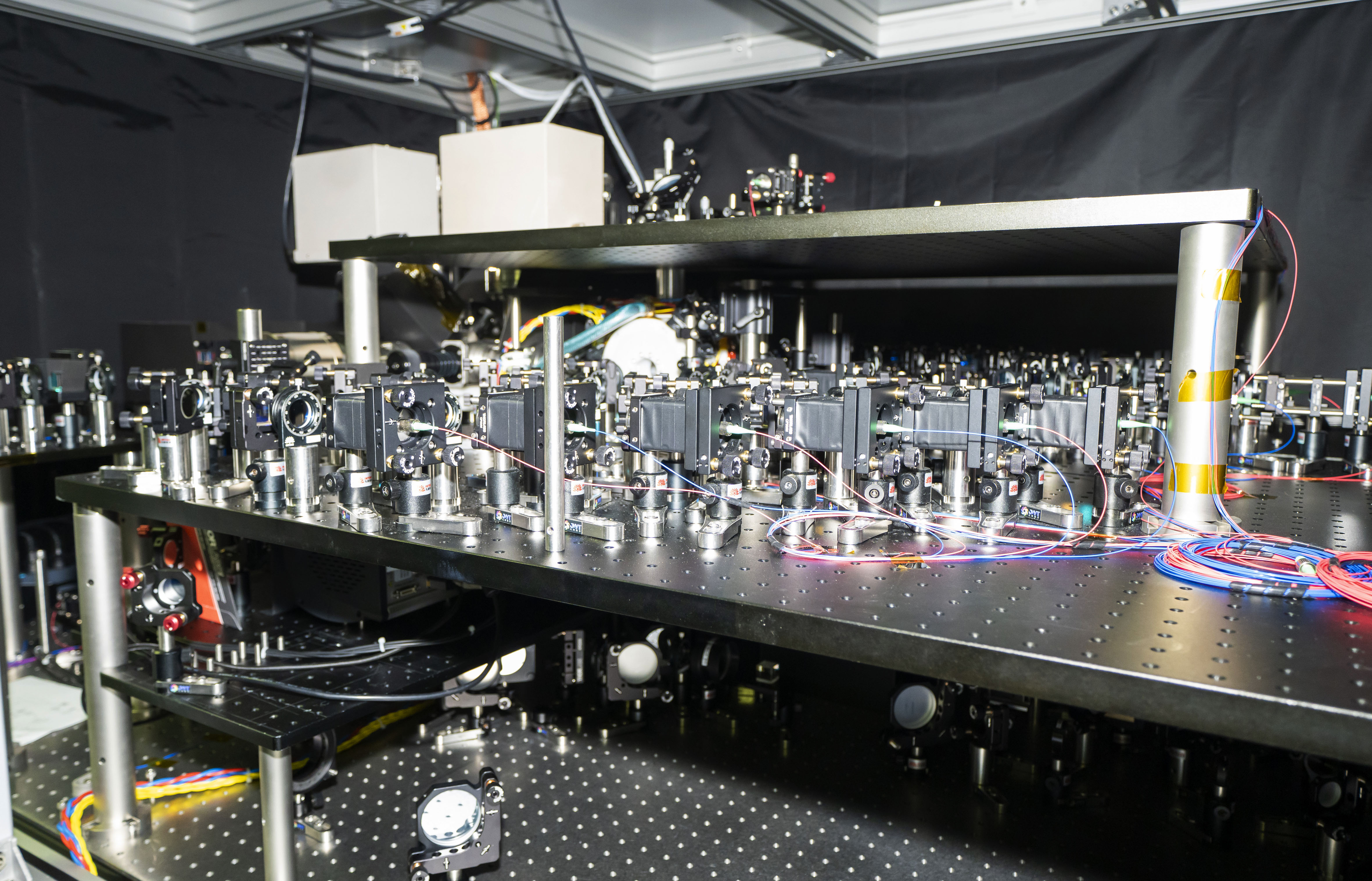
Figure 2. Experimental apparatus of single Sr atoms.